
General News
Politics Over Priesthood: Onaiyekan Breaks Silence On Governor Alia’s Church Status

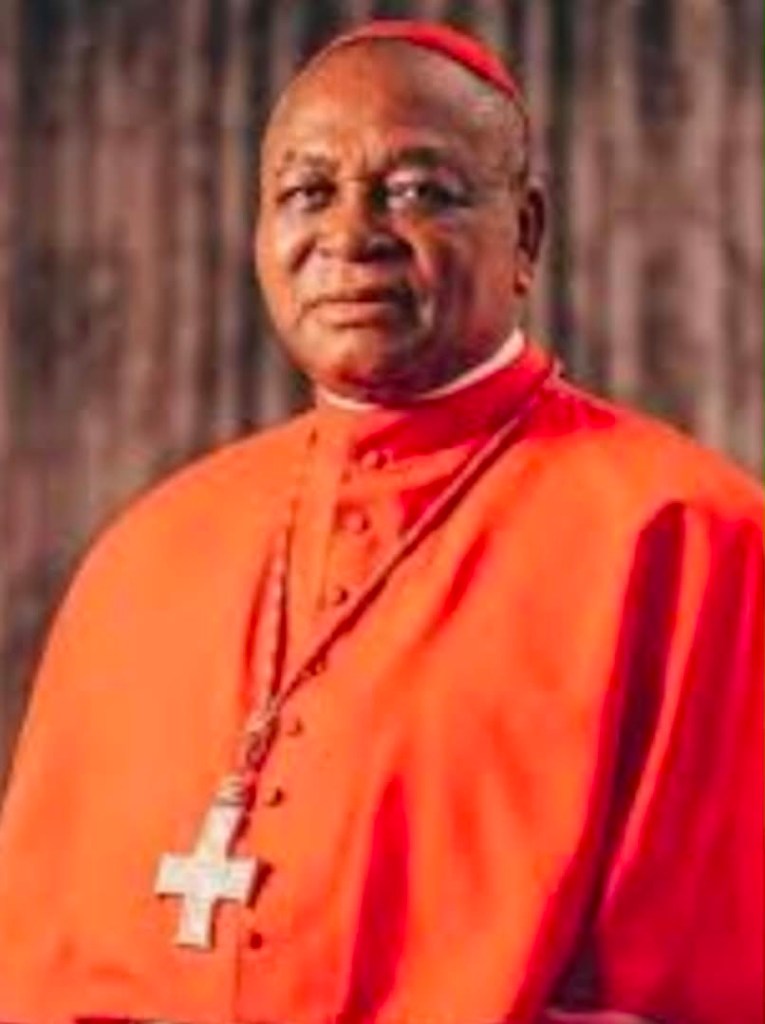
Cardinal cites Church rules, says Benue governor was suspended after choosing politics over priestly directives
Cardinal John Onaiyekan has explained
why the Catholic Church does not recognise Benue State Governor, Rev. Fr. Hyacinth Alia, as an active Catholic priest, citing the Church’s established regulations governing clergy who seek to pursue political careers.
Onaiyekan, a former Archbishop of Abuja, said the issue was not a personal disagreement with the governor but a matter of compliance with the rules and disciplinary procedures of the Catholic Church.
According to the cardinal, Alia did not meet the conditions required for a priest to pursue political ambitions, despite being advised by his bishop against proceeding with his plans.
He maintained that the bishop had clearly communicated his position to Alia and warned him of the consequences of disregarding the directive. However, the cleric reportedly went ahead with his political ambition, prompting his bishop to suspend him.
“I have nothing against Father Alia, but the law of our Church has not been followed. He did not meet those criteria, and his bishop told him no. He decided he would go, and his bishop said, ‘Okay, if you go, I suspend you,’” Onaiyekan said.
The cardinal further observed that many people might not know that Alia had reportedly been suspended by his bishop before or around the time he fully embarked on his political journey.
His remarks highlight the distinction between holding public office and retaining official recognition as a priest in active ministry within the Catholic Church.
They also draw renewed attention to the ecclesiastical regulations governing priests who seek to participate directly in partisan politics.
Onaiyekan also clarified that the controversy should not be reduced to the governor’s choice of clothing or the clerical identity he projects publicly.
According to him, an individual may continue to dress in a manner associated with religious authority, but such outward appearances do not, in themselves, determine the person’s canonical standing within the Church.
The cardinal stressed that the central issue was the Church’s position on Alia’s status, insisting that Catholics should understand the difference between public perception and the formal recognition of a priest by the institution to which he belongs.
He suggested that some Catholic faithful in Benue State might not be sufficiently informed about the circumstances surrounding the governor’s departure from active priestly ministry, potentially explaining why some continue to address him as a priest.
Alia, who served as a Catholic priest before entering politics, contested the 2023 Benue State governorship election under the platform of the All Progressives Congress (APC) and emerged victorious.
His election brought the relationship between his political responsibilities and his former religious vocation into sharper focus, particularly in view of the Catholic Church’s rules on clerical participation in partisan political activities.
The controversy raises important questions about the boundaries between religious vocation and political ambition, as well as the authority of the Church to regulate the conduct and official status of its clergy.
While Alia’s emergence as governor gave him a constitutional mandate to govern Benue State, Onaiyekan’s position suggests that electoral victory does not, by itself, settle questions concerning a former cleric’s standing within the Catholic Church.
The cardinal’s intervention has therefore renewed scrutiny of the circumstances surrounding Alia’s entry into politics and the reported disciplinary action taken by his bishop.