
Politics
Beyond Ethnicity and Politics: Who Can Deliver for Obanliku, Obudu and Bekwarra?

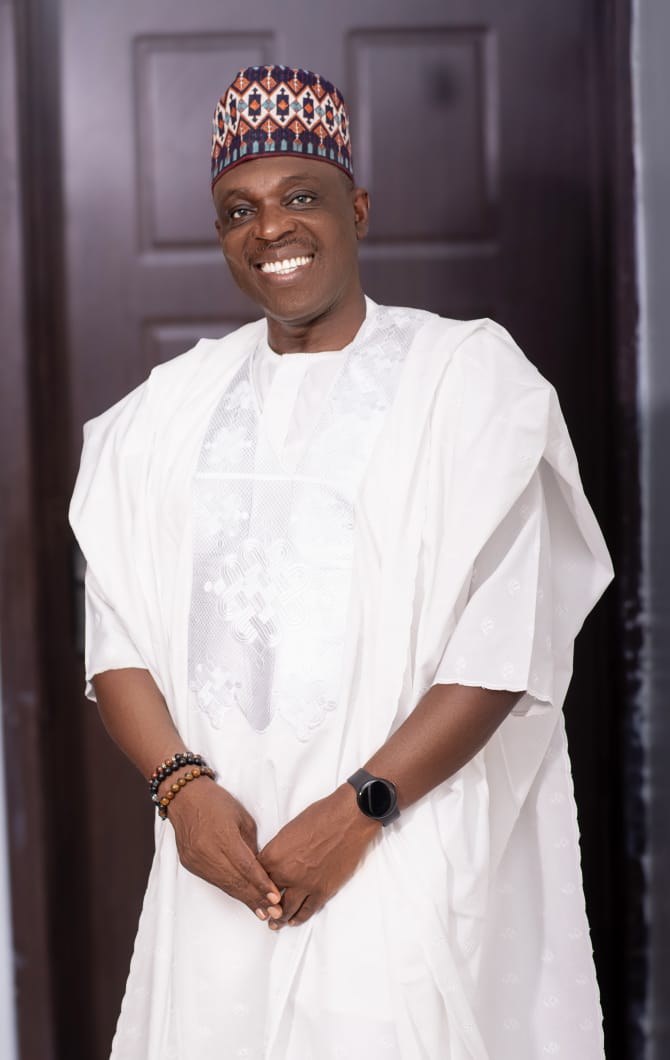
As political activities gather momentum ahead of the 2027 House of Representatives election in the Obanliku, Obudu and Bekwarra Federal Constituency of Cross River State, attention is increasingly shifting towards the quality of representation the people desire, beyond ethnic affiliations, political sentiments and personal interests.
With campaign billboards, slogans and political engagements gaining prominence across the constituency, the contest has renewed discussions about competence, character, capacity and commitment to public service.
At the centre of the debate is whether voters will prioritise candidates’ leadership qualities, policy proposals and ability to address the constituency’s developmental challenges over ethnic and political considerations.
One of the candidates attracting attention is the National Democratic Congress (NDC) House of Representatives candidate, Prince KJ Jeddy Agba, whose supporters describe him as a potential agent of change and a bridge-builder across political and social divides.
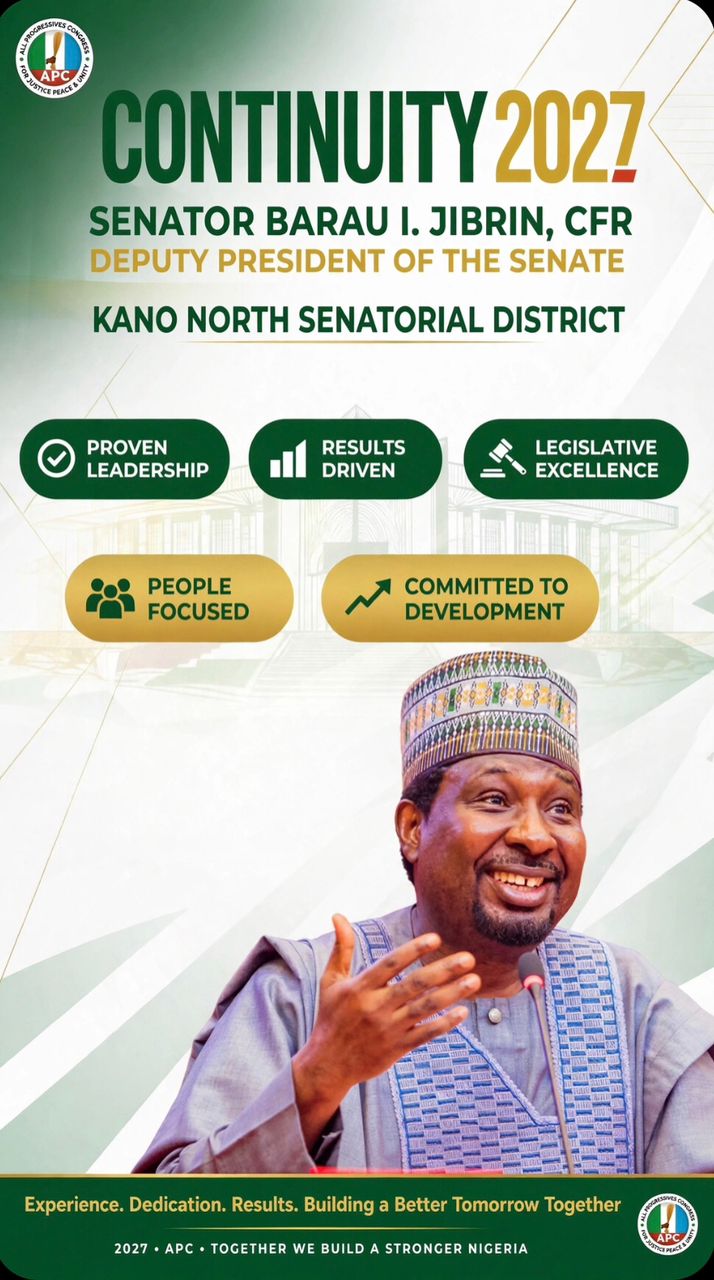
His admirers portray him as disciplined, approachable, courageous and committed to the development of the constituency. They argue that his ambition goes beyond occupying a seat in the National Assembly to contributing meaningfully to the advancement of the three local government areas.
Among young people, his supporters believe that his disposition and willingness to engage different sections of society could create opportunities for greater youth participation in governance.
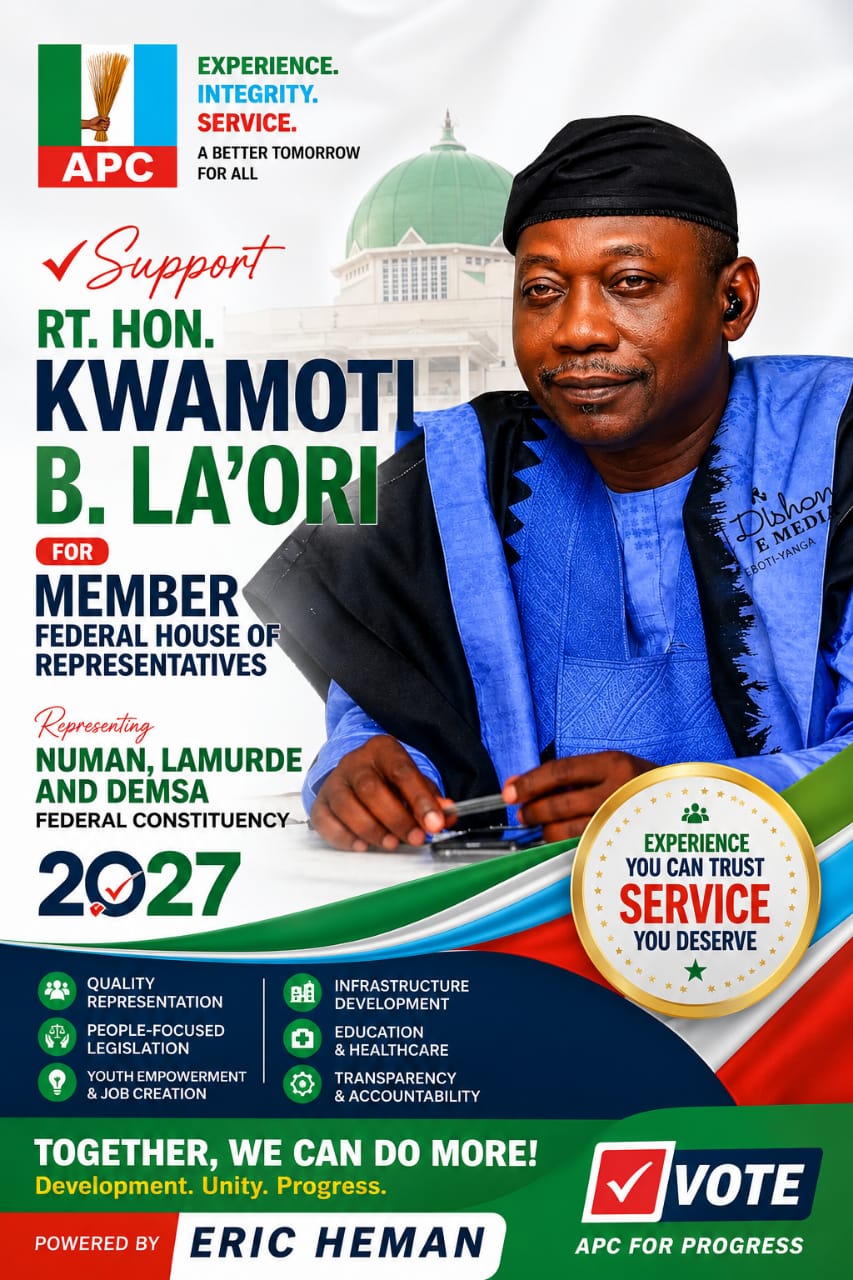
Women groups and gender advocates who identify with his ambition also express expectations that his representation, if elected, would prioritise women’s economic empowerment, support for young girls and increased participation of women in decision-making.
Other supporters describe him as a strong-willed individual with the determination to advance the interests of the constituency and the Northern Senatorial District of Cross River State.
However, these positive perceptions and endorsements will ultimately have to be measured against concrete policy proposals, practical development programmes and the capacity to fulfil electoral promises.
Beyond the personalities and political calculations surrounding the election, the challenges confronting Obanliku, Obudu and Bekwarra remain significant.
Farmers need a secure environment to cultivate their land, harvest their produce and earn reasonable returns.
Unemployed graduates require opportunities to build careers and contribute to the economy, while parents expect quality education and accessible healthcare for their children.
Rural communities also continue to demand improved roads, electricity, clean water and access to economic opportunities.
These are among the critical issues expected to shape discussions about representation in the constituency.
Obanliku, Obudu and Bekwarra are endowed with agricultural opportunities, solid mineral resources, tourism potential and a vibrant population. However, the major challenge remains how to transform these resources into employment opportunities, improved livelihoods, stronger businesses and shared prosperity.
The constituency needs representation capable of attracting development projects, facilitating investments and ensuring that host communities benefit from economic activities within their localities.
Youth development is another critical concern, with growing calls for policies that will equip young people with relevant skills, employment opportunities and the resources required to become productive contributors to society.
Education, healthcare and rural infrastructure also require sustained attention, particularly in communities where access to essential services remains limited.
Equally important is the need for inclusive and accessible representation that guarantees that development projects and opportunities reach every part of the constituency, including remote communities.
The emerging political conversation therefore raises a fundamental question: Are voters in the three local government areas prepared to look beyond ethnic sentiments and political affiliations to assess candidates based on their competence, character, capacity and vision?
For Agba and other contestants, the 2027 election presents an opportunity to demonstrate how their proposed programmes would address the everyday challenges confronting the people.
Political stakeholders have also been urged to ensure that the campaign is driven by ideas, policies and programmes rather than bitterness, intimidation, violence and personal attacks.
The contest for the House of Representatives seat therefore presents an opportunity for issue-based political engagement, where candidates are assessed based on their records, proposals, leadership qualities and ability to deliver effective representation.
Ultimately, the development potential of Obanliku, Obudu and Bekwarra lies not only in their natural resources but also in the ability of their people to demand accountable leadership and an equitable distribution of opportunities.
The 2027 election provides another opportunity for voters to reflect on the quality of representation they have received over the past four years and determine whether it has adequately addressed their expectations.
The real measure of successful representation should be a constituency where young people have employment opportunities, women are economically empowered, children have access to quality education, businesses thrive and every community enjoys a fair share of development.
Beyond the question of who wants to represent the people, voters must also consider who has a credible vision and practical plans to unlock the constituency’s potential.