
Business and Economy
CBN: Nigeria’s External Reserves Rise to $52.73bn

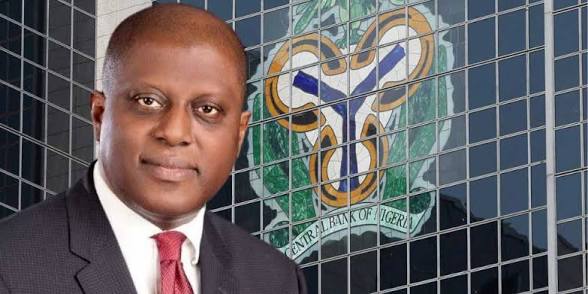
Governor of the Central Bank of Nigeria (CBN), Mr. Olayemi Cardoso, on Wednesday informed the Senate that Nigeria’s external reserves rose to $52.73 billion as of July 9, 2026, up from $48.88 billion recorded in January this year.
Cardoso disclosed this while presenting the Bank’s report to the Senate Committee on Banking, Insurance and Other Financial Institutions during its statutory engagement. He said the 7.9 per cent increase reflects stronger external reserve accumulation and signals a positive outlook for the nation’s economy.
According to him, the restoration of confidence in the foreign exchange market has significantly contributed to the growth in external reserves.
He said: “Gross external reserves increased by 7.9 per cent to $52.73 billion as of July 9, 2026, from $48.88 billion in January 2026, while net external reserves rose by 900 per cent to over $40 billion from $3.99 billion in 2023.”
The CBN Governor stated that despite lingering global uncertainties, the outlook for Nigeria’s economy in the second half of 2026 remains positive, with inflation expected to continue its gradual decline, supported by tight monetary policy, improved policy coordination, exchange rate stability and easing supply-side pressures.
Cardoso also described the banking sector recapitalisation programme as one of the Bank’s biggest achievements during the review period, revealing that N4.65 trillion was mobilised in fresh capital in March 2026.
He said the exercise ranked among the most successful capital-raising programmes in Nigeria’s banking history, noting that 72.55 per cent of the capital came from domestic investors, while 27.45 per cent was contributed by foreign investors, reflecting growing international confidence in the Nigerian economy.
According to him, 33 banks have met the revised capital requirements, while the CBN is engaging stakeholders to resolve the status of the few non-compliant banks in a manner that protects depositors, preserves financial stability and ensures regulatory compliance.
Cardoso further disclosed that inflation declined to 15.06 per cent in February 2026, leading the Monetary Policy Committee (MPC) to reduce the Monetary Policy Rate from 27 per cent to 26.5 per cent, but noted that inflation later rose to 15.93 per cent in May due to external shocks.
Earlier, Chairman of the Senate Committee, Senator Adetokunbo Abiru (Lagos East), commended the CBN for sustaining exchange rate stability, improving transparency in the foreign exchange market and successfully implementing the banking recapitalisation programme.
Abiru, however, stressed that stronger banks must channel more resources to productive sectors of the economy.
According to him, recapitalisation should not become an end in itself, adding that the real test of a stronger banking system lies in its ability to mobilise savings efficiently and provide affordable credit to productive sectors.
He identified agriculture, manufacturing, infrastructure, technology and small and medium enterprises as sectors that should benefit most from the banks’ increased capital base, while expressing concern over reports showing a moderation in private sector credit despite the record capital raised.
Following the presentations, Senator Abiru announced that the committee would proceed into a closed-door session to enable lawmakers engage the CBN Governor and his management team on issues relating to inflation, banking recapitalisation and other matters arising from the briefing.