Exclusive Interview
Exclusive: Constituents Vote for Competence, Not Party, Says Rep. Kwamoti Laori

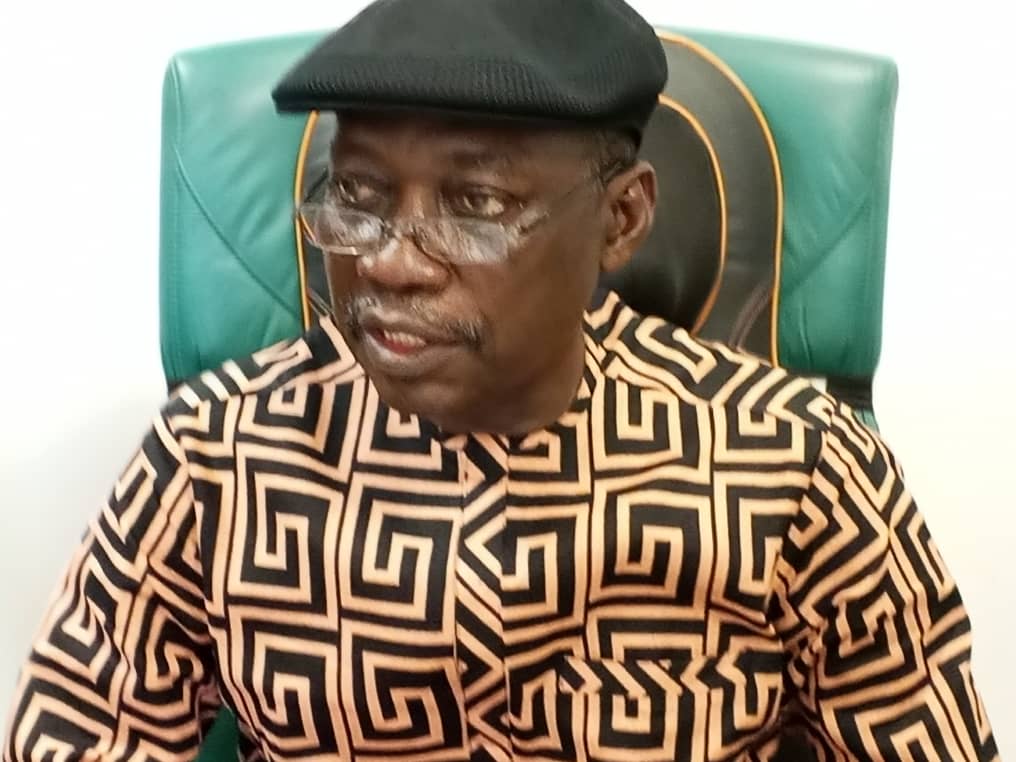
As preparations for the 2027 general election gather momentum, the Chairman of the House of Representatives Committee on Public Petitions and member representing Demsa/Numan/Lamurde Federal Constituency of Adamawa State, Hon. Kwamoti Bitrus Laori, has expressed confidence in his re-election prospects, insisting that his constituents place competence above political party affiliation.
In an exclusive interview, the lawmaker spoke on his chances in the 2027 election, the political situation in Adamawa State, insecurity, vote buying, the activities of the House Committee on Public Petitions, and his assessment of the reforms being implemented by President Bola Ahmed Tinubu.
Excerpts:
Q: Congratulations on emerging victorious at your party’s primary election. However, some observers believe your chances may be affected by the presence of influential political figures in Adamawa. How confident are you ahead of the 2027 elections?
Laori: Elections are determined by the people, not by influential individuals. No single person can dictate the voting pattern of an entire constituency. My constituents are politically conscious. They know who to support, when to vote, and why they are making that choice. They cannot be swayed simply by someone’s position, wealth, or political influence.
Over the years, they have consistently demonstrated that they value competence above party affiliation. It is not unusual for them to vote for candidates from different political parties during the same election because they focus on those they believe will provide effective representation.
Q: Why do you think your constituents often vote for different political parties in the same election?
Laori: They are politically enlightened and assess candidates based on their individual qualities rather than party platforms. Once they are convinced that a candidate has the capacity to deliver, they will vote for that person regardless of political affiliation.
Q: Insecurity and vote buying remain major concerns ahead of the 2027 elections. How do you see these issues affecting your constituency and Nigeria generally?
Laori: Insecurity may affect elections in some parts of the country, but I do not believe it will have a significant impact on my constituency. Adamawa State remains relatively peaceful, apart from a few communities close to areas affected by insurgency.
Vote buying remains a challenge, but I believe it will gradually decline as Nigerians become more politically aware. More citizens now understand that electing credible leaders is far more rewarding than accepting money during elections. With time, integrity and competence will take precedence over financial inducement.
Q: You have served in the Adamawa State House of Assembly and have spent several years in the House of Representatives. Why did you choose to seek another term in the House instead of contesting for the Senate?
Laori: Experience is a valuable asset, and there is nothing preventing anyone from aspiring to the Senate. However, the current political realities within my party made it more appropriate for me to remain in the House of Representatives for now. The future may present other opportunities.
Q: As Chairman of the House Committee on Public Petitions, what achievements are you most proud of, and what more do you hope to accomplish?
Laori: We have repositioned the committee and strengthened public confidence by ensuring that petitions are handled fairly and without unnecessary delay.
Several reports have already been submitted, while others will be presented when the House resumes from recess. Before the end of this Assembly, our goal is to resolve between 80 and 90 per cent of the petitions before the committee.
We currently have more than 900 petitions, which reflects the growing confidence Nigerians have in our work. Citizens across the country can submit petitions through any member of the National Assembly, and we remain committed to ensuring justice is served.
Q: Some people argue that the increasing number of petitions before your committee suggests the judiciary is failing Nigerians. Do you agree?
Laori: I do not agree. The judiciary and the Public Petitions Committee have separate constitutional responsibilities. Court cases follow formal legal procedures, which sometimes take time.
Our committee operates differently by promoting alternative dispute resolution. We bring parties together to seek amicable settlements, and where that is not possible, we make recommendations based on the available facts. This approach enables us to resolve many disputes more quickly.
Q: You spoke earlier about credibility in leadership. Looking at President Tinubu’s administration, what achievements do you believe justify another term?
Laori: Major reforms require patience before their full impact becomes evident. Like a pregnancy, the results cannot be expected immediately.
One of the administration’s notable achievements is the increase in allocations to state governments, which has strengthened their financial capacity. The student loan programme is also making higher education more accessible to indigent students.
The government is equally implementing reforms in the security sector, including expanding military formations to enhance operations across the country. As these initiatives continue to mature, Nigerians will increasingly appreciate their long-term benefits.