Business and Economy
Petrol hits N1,345 as rising crude prices and supply costs drive fresh hikes.

By Our Reporter
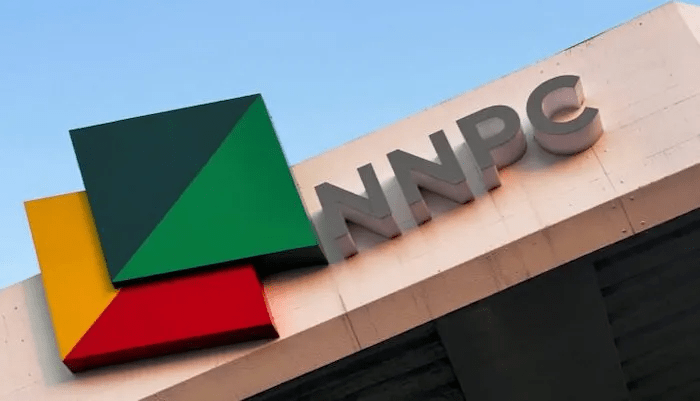
The Nigerian National Petroleum Company Limited (NNPCL) has increased the pump price of Premium Motor Spirit (PMS), popularly known as petrol, to N1,345 per litre at its retail outlets in Abuja, marking another increase in fuel prices across the country.
Checks at several NNPCL filling stations in Gwarimpa, Wuse Zone 4 and Wuse Zone 6 showed that the new price took effect on Monday, rising from the previous N1,270 per litre. The latest adjustment represents an increase of N75 per litre.
The development comes amid a fresh wave of petrol price increases by major marketers across the country. An NNPCL filling station attendant, who spoke on condition of anonymity, confirmed the development, saying, “Our petrol pump price was raised to N1,345 per litre today (Monday).”
Similar increases were recorded at MRS, Ranoil, Empire Energy and other filling stations, which raised their petrol prices by between N20 and N80 per litre over the weekend.
Industry observers attributed the latest price movements to changes in supply costs within the downstream petroleum sector and rising crude oil prices in the international market.
The adjustment also comes days after the Dangote Refinery increased its gantry price for petrol by N65, taking it to N1,265 per litre.
Data from the Nigerian Midstream and Downstream Petroleum Regulatory Authority showed that petrol imports accounted for 43.3 per cent of total supply in July, indicating continued reliance on imported fuel despite increased domestic refining capacity.
Meanwhile, international crude oil prices have continued to rise, with Brent crude trading at $91.20 per barrel and West Texas Intermediate (WTI) selling at $86.32 per barrel.
The latest NNPCL increase follows an earlier adjustment on August 25, when the company raised its pump price from N1,250 to N1,270 per litre.
The repeated increases have heightened public concern over petrol prices, supply costs and their impact on transportation, business operations and the wider Nigerian economy.