
Judiciary
Fuel Import Dispute Deepens As NNPC Rejects Dangote Refinery’s Court Demands

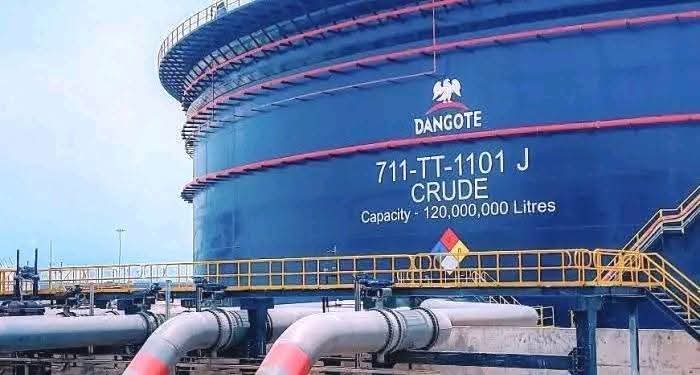
The Nigerian National Petroleum Company (NNPC) Limited has opposed the lawsuit instituted by Dangote Petroleum Refinery over fuel import licences granted to marketers, cautioning that restricting imports could create supply challenges and encourage monopoly control within the downstream sector.
According to Reuters on Friday, NNPC told the Federal High Court in Lagos that approving Dangote refinery’s request to cancel or limit fuel import permits could jeopardise Nigeria’s energy security and disrupt the steady supply of petroleum products nationwide.
In court filings, the national oil company argued that such restrictions may expose the country to “supply disruptions, price instability and risks to national energy security.”
The dispute revolves around import licences issued or renewed by the Nigerian Midstream and Downstream Petroleum Regulatory Authority (NMDPRA) to fuel marketers and NNPC.
Dangote refinery had approached the court in April, suing the Attorney-General of the Federation and claiming that the licences undermine local refining efforts and violate provisions of the Petroleum Industry Act (PIA).
Fuel marketers had earlier criticised the refinery’s legal action, warning that it could destabilise Nigeria’s downstream petroleum industry.
NNPC, however, dismissed the refinery’s claims, maintaining that the law permits the issuance of import licences to companies holding local refining permits or firms with verifiable experience in international crude oil and petroleum products trading.
The company further stated that the regulator possesses discretionary authority to oversee imports under Nigeria’s backward integration policy.
According to NNPC, there is no compulsory ban on fuel importation except when local production is sufficient to meet national demand.
The oil firm also contended that Dangote refinery failed to present “credible, independent or verifiable evidence” proving its capacity to satisfy Nigeria’s total fuel requirements or ensure uninterrupted supply across the country.
NNPC equally denied allegations that it intentionally withheld crude oil supply from the refinery or acted to frustrate its operations.
The company explained that crude allocation decisions are guided by “operational, commercial, security and logistical factors.”
Meanwhile, the NMDPRA has filed an application to join the suit, further expanding the legal battle surrounding fuel import policies and Dangote refinery’s increasing influence in the market.
Fuel marketers have also maintained their opposition to the suit, arguing that limiting imports could weaken competition and threaten supply stability.
The controversy comes as Dangote refinery prepares for its planned initial public offering (IPO) scheduled for September.