
Business and Economy
Fuel Price Row: Marketers Threaten Nationwide Shutdown

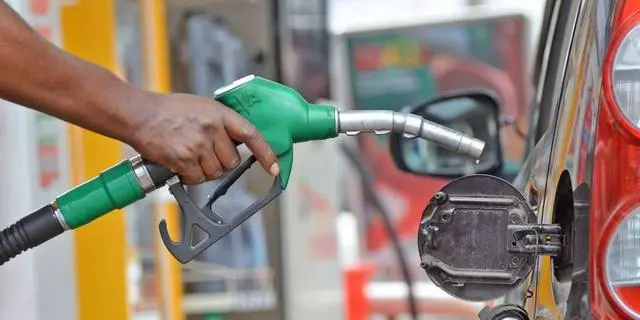
Independent petroleum marketers have threatened to shut down filling stations across Nigeria if the Federal Government moves to impose fuel price controls in the country’s deregulated downstream petroleum sector.
The warning comes after the Minister of State for Petroleum Resources (Oil), Heineken Lokpobiri, urged marketers to reflect the decline in global crude oil prices in retail petrol prices and cautioned against profiteering.
Responding to the minister’s remarks, the National Publicity Secretary of the Independent Petroleum Marketers Association of Nigeria, Chinedu Ukadike, said any attempt by the government to dictate pump prices would violate the principles of deregulation and could force marketers to suspend operations nationwide.
Ukadike explained that marketers are already grappling with heavy financial losses resulting from frequent reductions in depot prices, especially by the Dangote Refinery. According to him, many marketers purchase petroleum products with bank loans at higher prices, only for depot prices to fall before they are able to sell their existing stock.
He maintained that the pricing framework established under the Petroleum Industry Act supports a market-driven system and warned that government interference could discourage investment and erode confidence in the downstream petroleum sector.
Rather than introducing price controls, Ukadike urged the Federal Government to promote competition by supporting local refining, reviving state-owned refineries and creating an enabling environment for more operators to participate in the market.
However, the National President of the Petroleum Products Retail Outlet Owners Association of Nigeria, Billy Gillis-Harry, adopted a more conciliatory position.
He acknowledged the government’s responsibility to protect consumers but advised authorities to engage stakeholders before taking any action. Gillis-Harry called for an emergency meeting involving regulators, refiners, marketers and government officials to resolve the dispute through dialogue.
The disagreement comes amid growing public calls for lower fuel prices following the decline in global crude oil prices after easing geopolitical tensions in the Middle East. Despite the drop in international oil prices, petrol continues to sell for between ₦1,140 and ₦1,210 per litre across different parts of the country.
The Federal Competition and Consumer Protection Commission has also questioned why falling crude oil prices have not translated into more significant reductions at the pump.
The Commission’s Executive Vice Chairman, Tunji Bello, said the agency would continue monitoring the market for signs of price manipulation, anti-competitive practices and consumer exploitation, stressing that while the FCCPC does not regulate fuel prices, it has a statutory responsibility to protect consumers.