
General News
Nigeria Can Turn Mineral Wealth into Electric Vehicle Manufacturing Hub – Experts

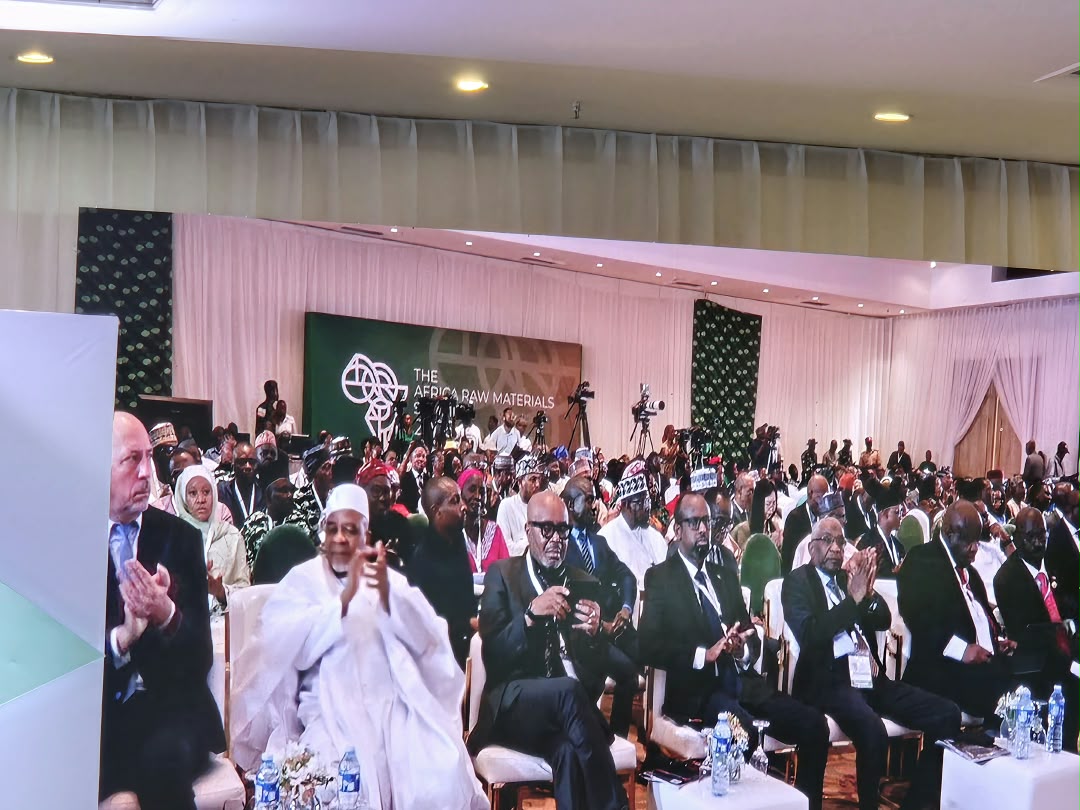
Experts have said Nigeria’s vast lithium deposits and other mineral resources could help power the country’s electric vehicle industry, reduce dependence on imported raw materials and strengthen local manufacturing if more investments are channelled into processing and value addition.
The Africa Raw Materials Summit 2026, with the theme “From African Feedstock to African Factory,” is examining strategies to enable African countries to retain more value from their natural resources, strengthen local industries and expand trade in processed products.
Speaking at the Africa Raw Materials Summit in Abuja, the experts called for local lithium processing, stronger collaboration between manufacturers and geological experts, and improved access to long-term industrial financing to enable Nigeria to build a competitive domestic electric vehicle supply chain.
They stressed that the country could capture a larger share of the growing electric vehicle market by transforming its mineral wealth into locally manufactured products rather than continuing to export raw materials and import finished goods.

The Director-General of the National Automotive Design and Development Council (NADDC), Otunba Joseph, described Nigeria’s mineral resources as an opportunity to develop domestic supply chains for electric vehicles and energy storage systems.
He noted that batteries account for an estimated 40 to 55 per cent of the cost of an electric vehicle, arguing that local lithium processing could position Nigeria to benefit more substantially from the emerging industry.

Joseph also advocated the implementation of legislation requiring at least 30 per cent value addition to raw materials before export, saying policies that promote local processing and manufacturing were necessary to maximise the economic benefits of the country’s natural resources.
He emphasised the need to bridge the gap between research and industrial production, urging universities, research institutions and manufacturers to work more closely to translate research findings into commercially viable products
“What is the essence of research if we can’t commercialise it?” he asked.
Similarly, the Director-General of the Nigerian Geological Survey Agency (NGSA), Olusegun Ige, called for stronger partnerships between manufacturers and solid mineral stakeholders to identify the location, quantity and commercial viability of mineral deposits required by local industries.
Ige estimated that about 60 per cent of the raw materials used in Nigerian production were sourced from outside the country, describing the situation as an opportunity to strengthen domestic sourcing and reduce import dependence.
He said Nigeria must establish the location and quantity of commercially viable mineral deposits and develop appropriate extraction and processing methods to ensure that local industries could access the raw materials they needed.
According to him, closer collaboration between geological experts and manufacturers would help industries identify locally available resources and incorporate them into domestic production.
The experts also highlighted financing as a critical requirement for converting Nigeria’s mineral wealth into industrial capacity.
The Chief Strategy and Development Officer and Divisional Head of Strategy, Policy and Research at the Bank of Industry, Dr Uche Nwachukwu, said local sourcing was becoming increasingly important to industrial enterprises.
He cited food and beverage companies in the bank’s portfolio that had reduced their raw material imports by 67 per cent, illustrating the potential benefits of strengthening local supply chains.
Nwachukwu stressed that industrialisation required coordinated efforts among government, businesses, research institutions, entrepreneurs and financial institutions, adding that access to long-term financing was essential to moving ideas from research and development into factories, expanding production and creating jobs.
The discussions at the summit underscored the need for African countries to move beyond identifying their natural resources to developing the technology, processing facilities, financing mechanisms and supportive policies required to transform them into competitive manufactured products.