
General News
Tinubu’s Economic Reforms Position Nigeria for $1 Trillion Economy – APC Chairman

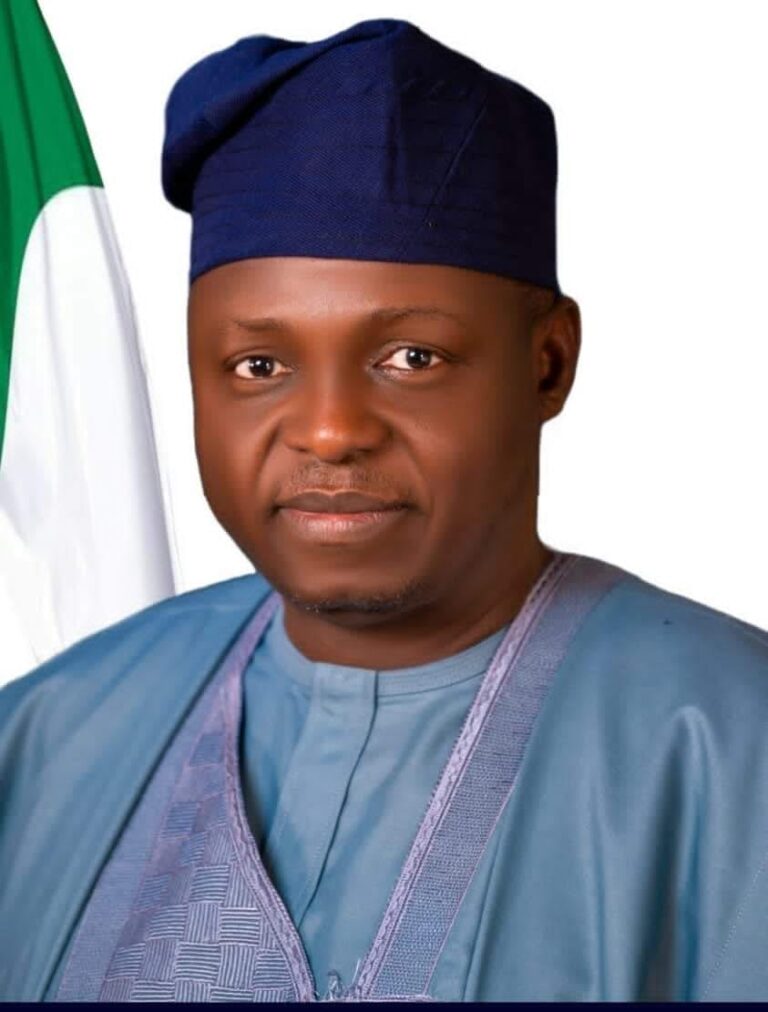
The National Chairman of the All Progressives Congress (APC), Professor Nentawe Goshwe Yilwatda, has said that the economic reforms introduced by President Bola Ahmed Tinubu are establishing a solid foundation for a stronger, more productive and prosperous Nigeria.
He noted that the direction and potential of the reforms have received recognition from major international economic institutions, including the World Bank and the International Monetary Fund (IMF).
Professor Yilwatda made this known in Uyo, the Akwa Ibom State capital, where the state hosted President Tinubu and his entourage at a rally held at the Senator Godswill Akpabio International Stadium.
Addressing the enthusiastic crowd, the APC National Chairman said the President’s boldness in tackling longstanding structural challenges demonstrates the courageous leadership needed to reposition Nigeria for sustainable growth and economic prosperity.
In a statement issued by his Special Adviser on Media and Information Strategy, Abimbola Tooki, Professor Yilwatda acknowledged that the reforms have required difficult adjustments.
However, he maintained that abandoning them would mean reversing the country’s progress and returning to the economic difficulties that made the reforms necessary.

The APC National Chairman described President Tinubu’s ambition to build a $1 trillion economy as more than a political aspiration, stressing that it represents a strategic national development target supported by deliberate policy decisions and ongoing economic restructuring.
He identified major investments in infrastructure, transportation, education, maritime development and financial inclusion as key pillars of the administration’s economic transformation agenda.
Professor Yilwatda particularly highlighted the Lagos-Calabar Coastal Highway as a landmark infrastructure project that would enhance connectivity, boost commercial activities and unlock significant economic opportunities for Akwa Ibom and other coastal communities.
He also noted that the President’s commitment to developing Nigeria’s maritime economy would strengthen the economic competitiveness of coastal states and expand their contributions to national development.
On education and social investment, he praised the student loan initiative for expanding access to higher education. He also observed that targeted interventions for women and small businesses were creating opportunities for increased economic participation.
He explained that the tax reforms were designed to reduce the burden on low-income earners and small businesses, allowing them to retain more of their earnings and operate in a more supportive economic environment.
The APC Chairman also identified improved industrial harmony in educational institutions and the administration’s efforts to settle outstanding obligations to workers, pensioners and retirees of formerly privatised public enterprises as significant milestones.
He urged Nigerians to remain committed to the reform process, declaring:
“Never again should Nigeria return to Egypt. We cannot afford to abandon the difficult but necessary work of rebuilding our economy and repositioning our country for sustainable growth.”
Professor Yilwatda maintained that the Tinubu administration’s policies and investments were positioning Nigeria for long-term prosperity.
He called on citizens to support the administration’s vision of building a stronger and more economically competitive nation.