
General News
ADC Primary: Atiku Abubakar poised for ticket as Peter Obi, Rotimi Amaechi jostle for running mate slot

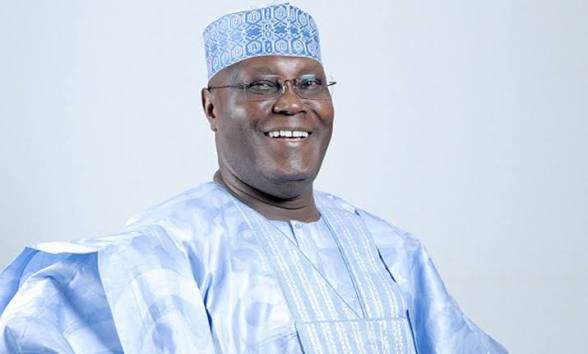
The stage is set for the primaries of political parties ahead of Nigeria’s 2027 General Election, with leading opposition figures aligning under the African Democratic Congress (ADC) in a determined bid to unseat President Bola Tinubu and his All Progressives Congress (APC)-led administration.
Unless unexpected developments alter the current dynamics, the APC is expected to utilise the Independent National Electoral Commission (INEC)-scheduled primaries between April 23 and May 30, 2026, to formally affirm Tinubu as its presidential candidate for the January 16, 2027 election.
So far, no APC governor has openly declared presidential ambition. Instead, they have collectively endorsed Tinubu as the party’s sole candidate. This position was reinforced on May 22, 2025, when APC governors unanimously backed him at the party’s National Summit in Abuja. The motion, moved by Hope Uzodimma and seconded by Uba Sani, received overwhelming approval from party stakeholders.
With Tinubu enjoying the advantage of incumbency and widespread backing from governors and political stakeholders, a similar endorsement scenario is anticipated during the primaries.
Within the ADC, the situation appears tilted in favour of former Vice President Atiku Abubakar, who is widely expected to clinch the party’s presidential ticket. Having contested for the presidency multiple times, Atiku remains a dominant figure within the party, especially following his fallout with the Peoples Democratic Party (PDP).
Given his political reach across both the North and South, it is considered unlikely that Atiku would lose the ticket to other aspirants such as Peter Obi or Rotimi Amaechi.
Obi is believed to command significant grassroots support in the South-East and parts of the South-South, South-West, and North-Central regions. Meanwhile, Amaechi is consolidating influence in the South-South and among loyalists of the defunct Congress for Progressive Change (CPC), one of the legacy parties that formed the APC.
Amaechi has also demonstrated resolve in his presidential ambition, continuing political mobilisation efforts despite reported attacks on his residence and party office in Rivers State. He maintains that he is better suited for the presidency and capable of defeating Tinubu in 2027.
Although he insists he will not step down for any aspirant, Amaechi has pledged to support whoever emerges as ADC’s candidate after a credible primary process.
Both Obi and Amaechi have proposed serving a single four-year term if elected, citing the principle of power rotation between the North and South. However, analysts remain sceptical, pointing to historical precedents where similar commitments were not upheld.
Past political developments — including the failed third-term bid associated with Olusegun Obasanjo and the re-election attempt of Goodluck Jonathan in 2015 — continue to shape public perception and trust regarding such promises.
In the North, there is reluctance to rely on assurances of a single-term presidency, given concerns that such commitments may not be honoured once power is secured.
The next steps for Obi remain uncertain if he does not secure the ADC ticket. While Amaechi has committed to backing the eventual candidate, Obi’s position is unclear. Speculation persists over whether he might align with Atiku as a running mate or consider alternative political platforms.
As the primaries approach, the contest within the ADC is shaping up to be decisive. While Atiku appears firmly positioned to emerge as the party’s candidate, the battle for influence — particularly the vice-presidential slot — remains open.
For Obi, the decision ahead could prove pivotal in his political trajectory, as the countdown to the primaries intensifies.
Source: Radarr