
General News
Experts Call for Stronger Collaboration to Drive Green Industrial Development

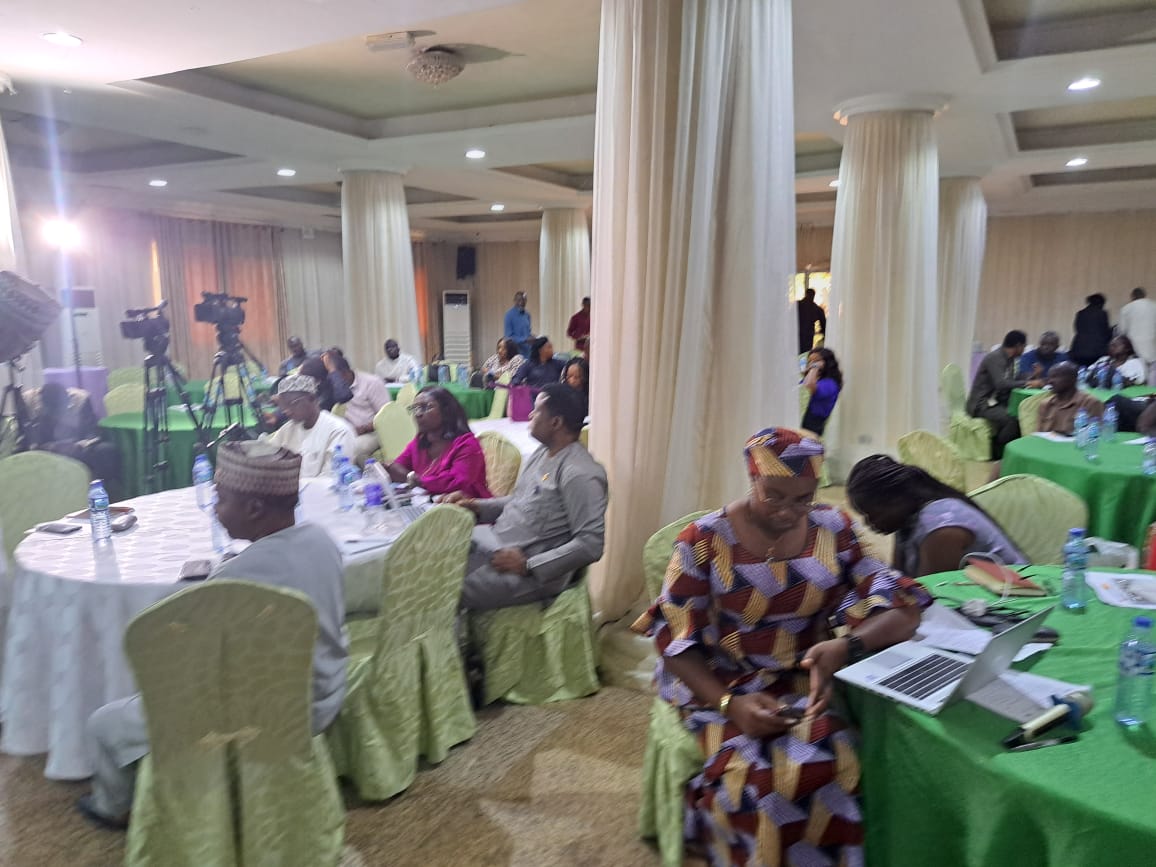
Stakeholders in Nigeria’s industrial sector have called for the urgent expansion of the Global Environment Facility (GEF) and the United Nations Industrial Development Organization (UNIDO) project aimed at strengthening industrial capacity in energy efficiency, resource conservation, and environmental sustainability.
The call was made in Abuja during an interactive session on the GEF-UNIDO Efficiency Project, organized in collaboration with the Manufacturers Association of Nigeria.
The programme, which brought together government agencies, development partners, and the organised private sector, focused on reviewing the outcomes of the project and outlining strategies for wider adoption of sustainable industrial practices.
In his opening remarks, the National Project Coordinator, Mr. Jacob Oladipo, highlighted the project’s success in advancing energy efficiency and promoting cleaner production methods across industries in Nigeria.
He stated that through capacity building, technical support, cleaner production assessments, policy engagement, and innovative financing, the initiative has proven that improving resource efficiency and reducing energy consumption are not only environmentally responsible but also beneficial for business productivity and competitiveness.
According to him, the session aimed to showcase key achievements and explore ways to scale up the adoption of these sustainable practices.
He further disclosed that the project enabled the disbursement of N825 million in clean energy financing through the Bank of Industry under a first-loss guarantee arrangement.
Delivering a goodwill message on behalf of the Nigerian Association of Chambers of Commerce, Industry, Mines and Agriculture (NACCIMA), Mr. Kunle Fadare praised the GEF-UNIDO partnership for its continued support.
He underscored the importance of the intervention, noting that Nigeria’s industrial sector accounts for more than 30 percent of the country’s energy consumption, yet still operates below optimal efficiency levels.
He added that studies show energy efficiency improvements in Nigerian industries could result in savings ranging from 20 to 40 percent, leading to reduced production costs, enhanced competitiveness, and lower greenhouse gas emissions.
Fadare also pointed out the environmental challenges, stating that Nigeria generates over 32 million tonnes of solid waste annually, much of which could be minimized through cleaner production methods.
He explained that the Resource Efficient and Cleaner Production (RECP) approach provides a viable pathway for achieving environmental sustainability while also improving profitability and ensuring long-term business resilience.
The session ended with a shared agreement among stakeholders that continuous collaboration between government, development partners, and the private sector is essential for building a competitive and environmentally sustainable industrial sector in Nigeria.