
Politics
Ijebor to 2027 Voters: Judge Candidates by Records, Not Rhetoric

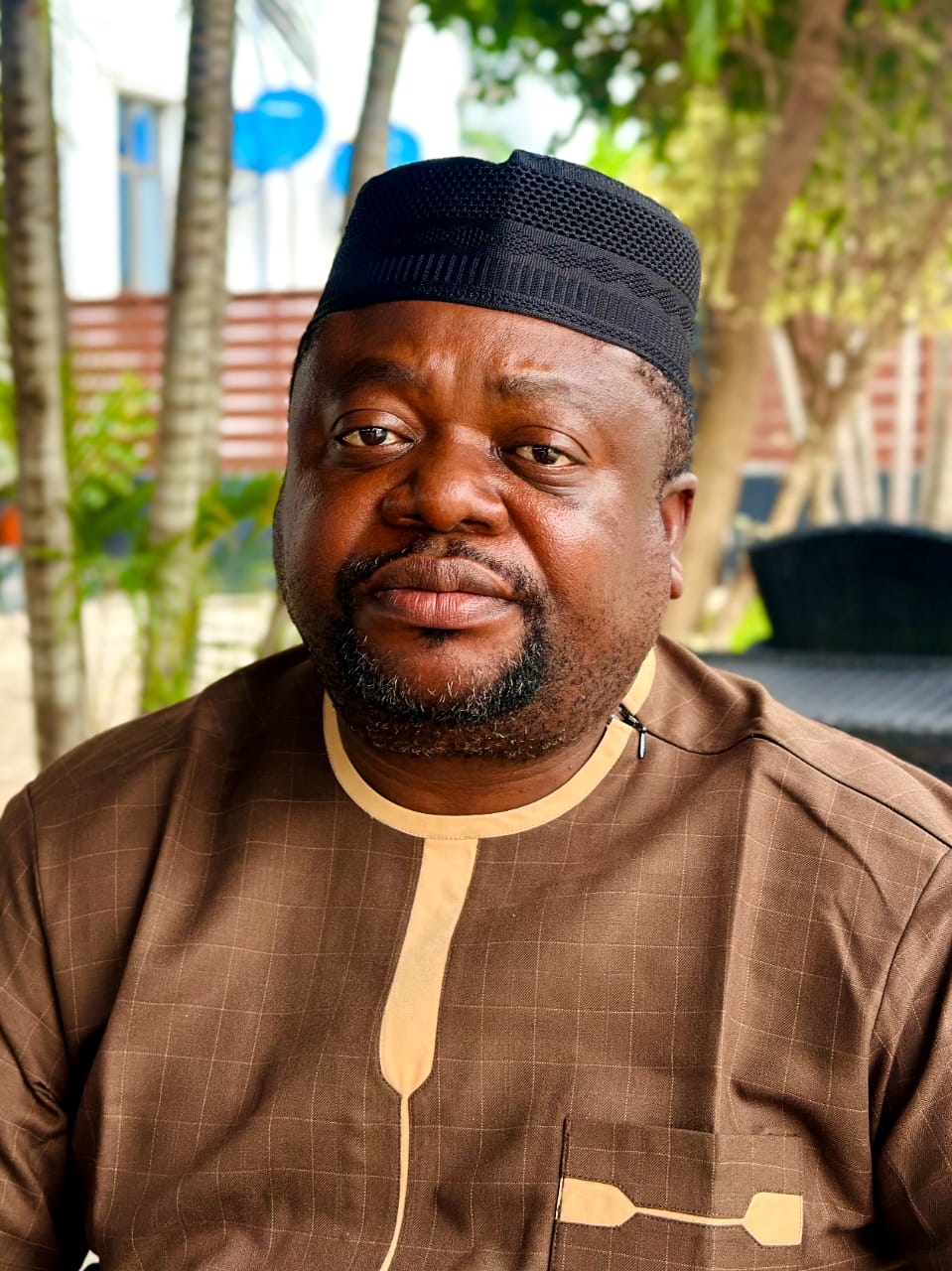
By Okpashi Odama
As the 2027 presidential election campaign commences with the lifting of the ban on presidential campaigns on Wednesday, a chieftain of the Peoples Democratic Party (PDP), Engr. Anselm Ijebor, has urged Nigerians to be wary of politicians who have plunged the country into what he described as another definition of politics.
Ijebor also advocated intensified tracking of the records of those seeking elective positions, stressing that the 2027 election, particularly the presidential contest, should be judged by individual records and landmark achievements in order not to plunge the country into further hardship.
Speaking to journalists in Abuja on Wednesday while reacting to the lifting of the ban on presidential campaigns by the Independent National Electoral Commission (INEC), the PDP frontline politician argued that as the nation prepares to witness another phase of politics, Nigerians must interrogate the candidates.
He urged Nigerians to use the 2027 electioneering period to critically examine the policies, records and programmes of politicians, especially the presidential candidates and their parties.
The astute politician said the campaign period should provide an opportunity for Nigerians to engage candidates directly and demand clear explanations on how they intend to address the country’s economic, security and geopolitical challenges.
According to him, voters should not be satisfied with candidates’ slogans but should demand specific and measurable commitments that will translate into concrete policies and programmes of activities for the next four years.
“It is a very open opportunity for Nigerians to interrogate the various parties and their candidates.
“As the 2027 presidential election campaign kicks off in line with INEC’s timetable, Civil Society Organisations (CSOs), practitioners, rights activists and other stakeholders in the electoral process should ensure that campaigns are issue-based rather than focused on mudslinging.”
He urged Nigerians to question candidates on what they had achieved previously while in public office and what they intended to do differently if elected.
Ijebor, who warned Nigerians against voting for candidates based on religious, political and ethnic sentiments, observed that the country is faced with insecurity, hardship and economic doldrums because the 2023 election, which produced today’s leadership, was anchored on propaganda that has stagnated the nation for close to four years.
“We should not make the same mistakes made in 2023 where candidates such as Peter Obi, with genuine intention, interest and vast experiences to salvage the nation, were robbed of their good intention,” Ijebor stated.
“What Nigerians need at this critical moment of our nationhood are leaders with genuine intentions, who know what to do, understand the country’s challenges and are abreast with what is required to serve, and not those without anything to show to Nigerians.”
“Peter Obi and Kwankwaso’s candidacy will salvage Nigeria and Nigerians from the unbearable hardship brought and imposed on our people. Let us be wise and do the right thing as the country moves into another election in 2027,” he declared.
He said, “As presidential campaigns begin ahead of Nigeria’s 2027 General Elections, political parties and candidates should move beyond personality-driven politics, ethnic and religious mobilisation, and broad campaign slogans.
“The central focus should be on how government will improve the lives of Nigerians, strengthen the economy, provide security, improve public services, and ensure that public resources are used transparently and efficiently.
“Nigerians want to see how economic policies translate into affordable food, transportation, housing, healthcare and education.
“A presidential campaign should therefore present a clear economic recovery strategy focused on reducing inflation, strengthening domestic production, supporting agriculture and manufacturing, improving access to affordable finance, and reducing the cost of doing business.
“Economic reforms should be assessed not only by macroeconomic indicators but also by their effect on households.
“The campaign should answer a fundamental question: How will the average Nigerian become economically better off under the proposed government?” he said.