General News
US-Nigeria Workshop Explores Cassava Waste-to-Energy

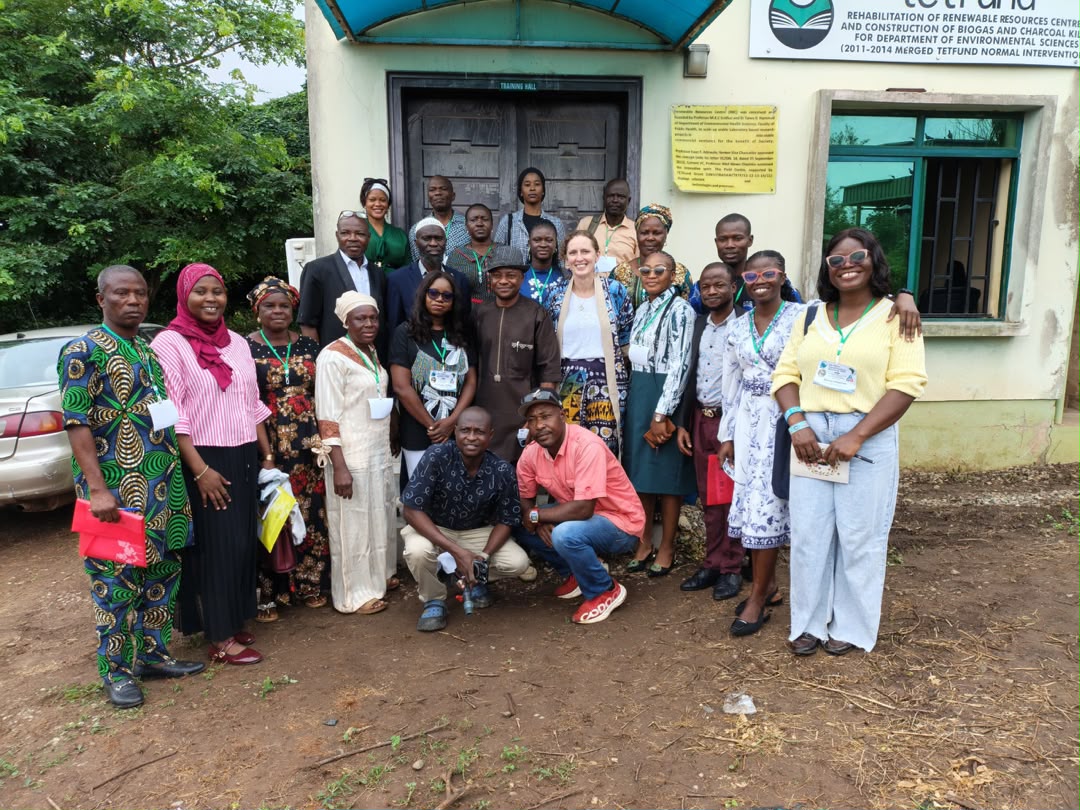
Researchers, government officials, cassava processors and environmental and energy experts from Nigeria and the United States have explored innovative ways of converting cassava wastewater into renewable energy during a three-day transdisciplinary workshop in Ibadan.
The workshop, titled “From Cassava Effluent to Energy: A US–Nigeria Transdisciplinary Water–Energy–Food Nexus Workshop in Southwest Nigeria,” was held from August 17 to 19, 2026, bringing together researchers, government representatives, technical experts, MSc and PhD students and other stakeholders to examine sustainable solutions to cassava wastewater management.
The welcome address of the purpose of the workshop was highlighted by Dr Foluke Olatoye which focuses on the potential of cassava effluent as a feedstock for biogas and renewable energy production, while examining its implications for environmental protection, water resources, food security and sustainable development.
The first day, themed “Cassava Wastewater Management and Biogas Opportunities in Nigeria,” featured discussions on biodigester deployment, renewable energy solutions and technologies for managing cassava wastewater.
Mr. Noel Jagaba shared practical experiences in biodigester deployment and renewable energy solutions in Nigeria, while Prof. Gbolabo Ogunwande examined biogas technologies for cassava wastewater management, focusing on opportunities and technical considerations for their application in Nigeria.
Dr. Tosin Bamigboye contributed to the technical discussions, while Dr. Jafaru Egieya introduced participants to the Water-Energy-Food Nexus, highlighting the connection between cassava wastewater, water security, energy production, food systems and environmental sustainability.
The second day, themed “Building Practical Solutions for Sustainable Cassava Wastewater Management,” moved from presentations to practical demonstration.
At the Renewable Resource Centre, Abadina, University of Ibadan, participants witnessed a hands-on demonstration of the conversion of cassava effluent into biogas. The practical session was facilitated by Dr. Taiwo Hammed, who introduced participants to biodigester components and demonstrated their operation, feeding, monitoring and troubleshooting.
A major highlight was a government-focused session on “Government Perspectives on Sustainable Cassava Wastewater Management in Oyo State,” involving representatives of the Oyo State Ministry of Environment and Natural Resources, the Ministry of Energy and the Rural Water Supply and Sanitation Agency.
The workshop also engaged cassava processors from Kukumade in Egbeda Local Government Area, providing an opportunity for processors and policymakers to exchange views on the practical challenges and opportunities associated with cassava wastewater management.
MSc and PhD students from Nigeria and the United States also participated physically and virtually. Participants included Mercy Adediran, Audrey Allen, Sesan Opeyemi Alabi, Mary Akingbasote, Oluwatosin Egbebi, Tobi Awolope and Triumph Okuku.
The final day focused on “Scaling Innovation and Building US-Africa Partnerships.” Discussions examined opportunities for long-term research partnerships, collaborative publications, grant opportunities and knowledge exchange.
Prof. Laura Schmitt Olabisi was recognised for her in-person participation and contribution to strengthening US-Africa research collaboration. The workshop also featured contributions from webinar and in-person facilitators, including Wei Liao, William Kisaalita, Noel Jagaba, Gbolabo Ogunwande and Dr. Taiwo Hammed.
The organisers expressed appreciation to the SustainFood Network, particularly Michael Jacobson, Christopher Scott, Annette Huber-Lee and Vicki Morrone, for their sponsorship and support towards the workshop.
The organising team — Dr. Foluke Olatoye, Dr Oluwaseun Bamigboye, Paige Price and Jafaru Egieya, Ph.D. — also expressed appreciation to all stakeholders, facilitators, participants, students, sponsors and partner institutions whose contributions helped make the three-day programme a success
The programme also featured presentations by Early Career Researchers, including Nigerian participants- Mr. Alabi Sesan, a second-year doctoral student, Ms. Awolope Tobi, Mrs Egbebi Tosin, and Ms. Mercy Adediran and US participants- Audrey Allen, and Mary Alongbasote, who connected their ongoing research with the broader Water-Energy-Food Nexus.
.
The organisers said they were grateful that participants travelled safely to and from the workshop and described the event as an important step towards strengthening collaboration between researchers, government, industry and communities.
The workshop concluded with an evaluation, key takeaways, discussions on next steps, certificate presentation and a group photograph.
The organisers said the conversation would continue beyond the workshop, with the central message remaining: “From Cassava Effluent to Energy.”
The initiative underscored the potential to transform cassava wastewater from an environmental challenge into a valuable resource for biogas and renewable energy production, environmental protection and sustainable development in Nigeria and across Africa.