General News
Rebuild Igba Boi, Create More Entrepreneurs – Nwosu

Former Chief of Staff to the former Governor of Imo State, Ugwumba Uche Nwosu, has urged Igbo professionals and business leaders in the diaspora to play a leading role in rebuilding the Igbo apprenticeship system as a sustainable strategy for job creation, poverty reduction and entrepreneurship development.
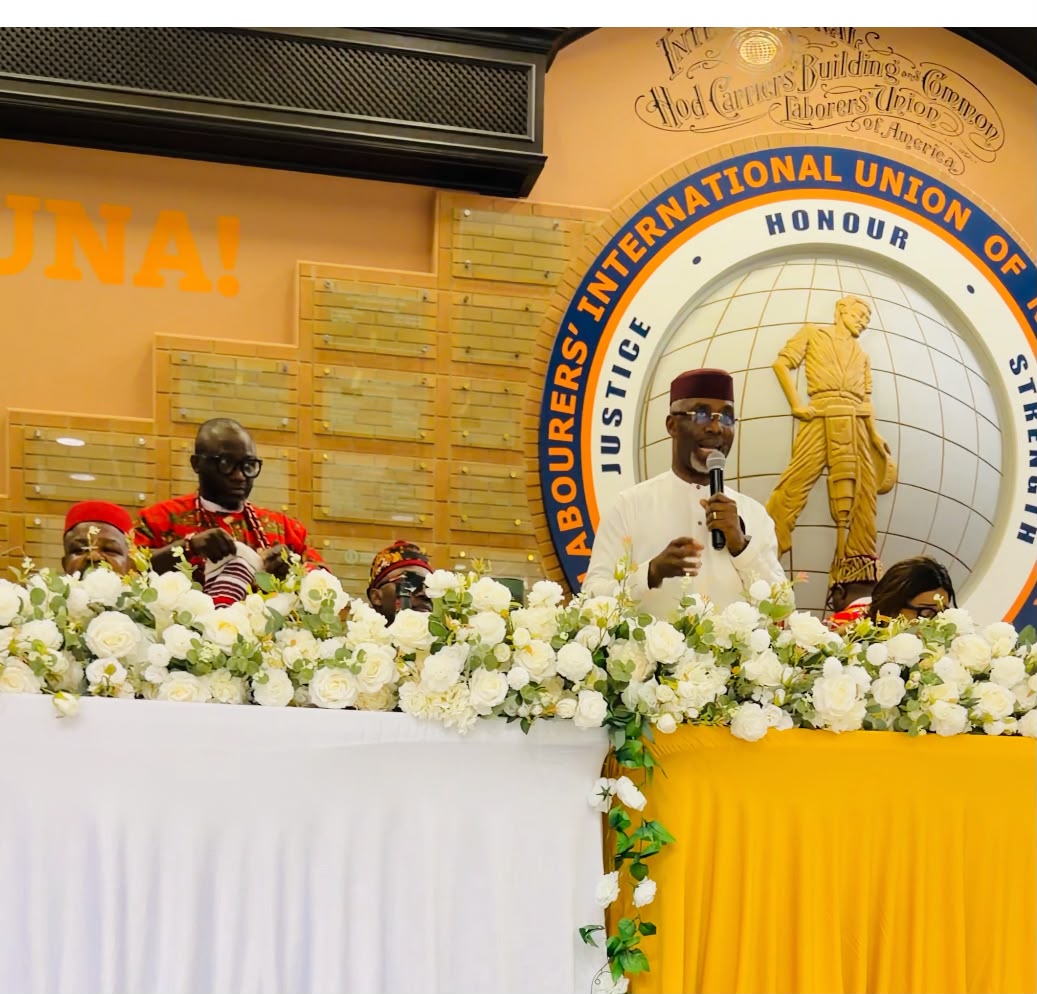
Speaking at the 2026 Igbo National Convention organised by Igbo Union Canada, Nwosu described the traditional apprenticeship system as one of the greatest economic assets of the Igbo people, stressing that it should be strengthened and modernised to meet the demands of the 21st-century economy.

He explained that the system, widely known as Igba Boi, Imu Ahia and Imu Oru, had produced thousands of successful entrepreneurs across Nigeria and beyond long before business incubation, mentorship and venture capital became widely recognised. According to him, its strength lies in the transfer of practical skills, business knowledge and financial support from one generation to another, enabling young people to establish their own businesses after completing their training.
Nwosu recalled that following the Nigerian Civil War, the apprenticeship model played a critical role in rebuilding the South-East economy by helping many young people become traders, manufacturers, transport operators, artisans and employers of labour. However, he noted that changing economic realities now require reforms to make the system more transparent, inclusive and competitive.
He identified challenges such as the failure to settle apprentices after years of service, the absence of written agreements, exploitation, and inadequate training in digital technology and financial management as factors that have weakened confidence in the system. To address these concerns, he advocated documented agreements between masters and apprentices, structured training programmes, clearly defined settlement arrangements, safe working conditions, effective dispute resolution mechanisms and certification upon completion of training.
The former Chief of Staff also called for greater participation of women and girls in entrepreneurship, insisting that the full potential of the Igbo economy cannot be achieved if half of the population is left out of business opportunities.
He urged successful Igbo professionals abroad to move beyond financial remittances by investing their knowledge, international exposure and professional expertise in mentoring young entrepreneurs. He said doctors, engineers, technology experts, academics and business owners in the diaspora should provide mentorship, technical support, market access, equipment and seed capital to aspiring entrepreneurs in Nigeria.
As part of this vision, Nwosu proposed the initiative, “One Successful Igbo Professional, One Apprentice, One Future Enterprise,” describing it as a practical approach to producing entrepreneurs rather than job seekers. He said widespread adoption of the initiative by successful Igbo professionals would significantly expand business ownership, create employment opportunities and strengthen the economic future of the South-East.
He further urged members of Igbo Union Canada to ensure that the proposed Igbo House becomes not only a centre for promoting Igbo language and culture but also a hub for entrepreneurship, innovation, mentorship, investment networking and skills development. According to him, the facility should serve as a platform where experienced professionals mentor young entrepreneurs, investors support emerging businesses and future business leaders are nurtured.
Nwosu maintained that preserving the Igbo apprenticeship system does not mean resisting change but improving its structures while protecting its core values of hard work, integrity, trust and community support. He encouraged successful Igbo men and women to make raising future entrepreneurs part of their legacy, stressing that lasting prosperity is achieved when knowledge, wealth and opportunities are intentionally passed from one generation to the next.