General News
Benue Govt, UNFPA Strengthen Improved Reproductive Health Services in emergency situations

From Dooshima Terkura, Makurdi
In line with the healthcare transformation vision of Governor Hyacinth Alia, the Benue State Ministry of Health and Human Services has entered into collaboration with the United Nations Population Fund (UNFPA), to improve reproductive health services, particularly in emergency and humanitarian settings across the State.

The collaboration was reached at a strategic coordination meeting held between the Ministry and a delegation from UNFPA), in Makurdi.
The meeting centered on strengthening collaboration, coordination, and capacity building aimed at enhancing reproductive health service delivery during emergencies while addressing critical maternal and child health challenges within the State.
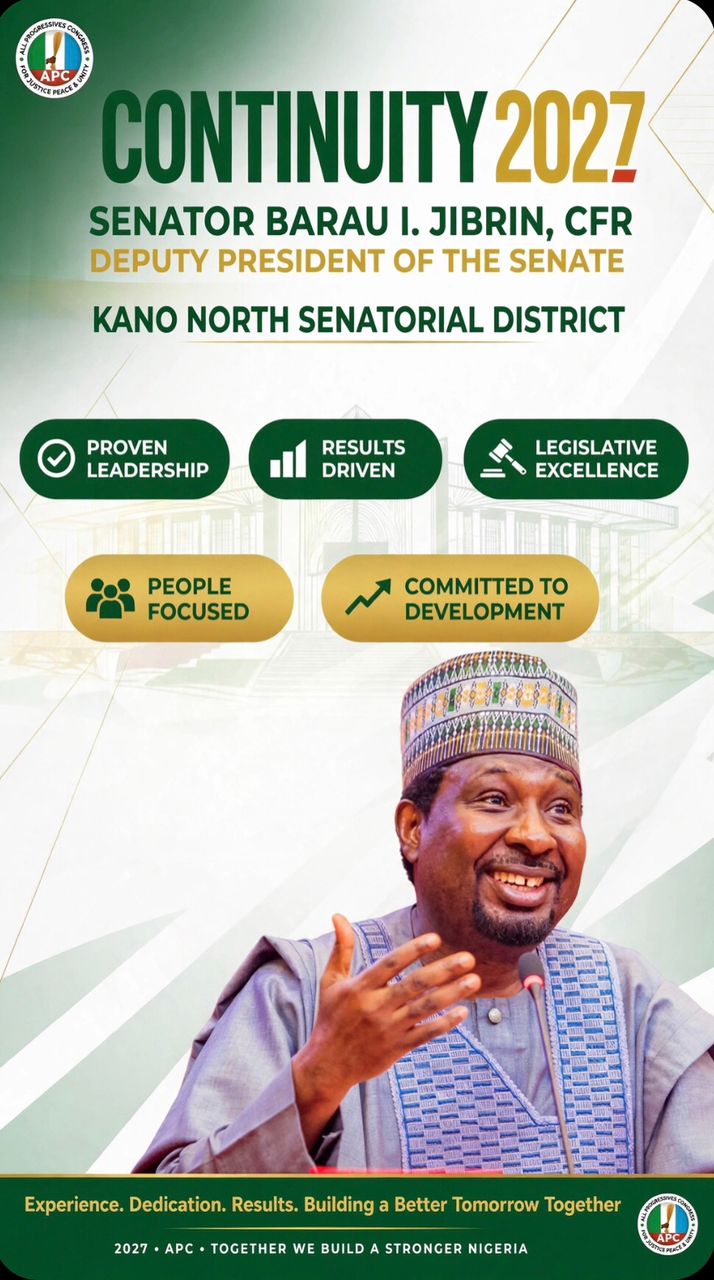
Speaking during the meeting, the Commissioner for Health, Dr Paul Ogwuche reaffirmed the commitment of the Benue State Government toward improving access to quality healthcare services for vulnerable populations, especially women, children, and persons affected by emergencies and displacement.
He noted that the administration of Governor Hyacinth Alia remains focused on strengthening healthcare systems, reducing maternal mortality, improving healthcare access, and fostering strategic partnerships capable of driving sustainable health sector reforms across Benue State.

He highlighted ongoing efforts to train nurses, midwives, and frontline healthcare workers in reproductive health services tailored for emergency situations.
The stakeholders emphasized the importance of equipping healthcare personnel with the necessary skills to respond effectively to reproductive health challenges during humanitarian crises and public health emergencies.
They also discussed the development of a comprehensive training package designed to integrate emergency reproductive health into the academic curriculum for nurses and midwives, thereby ensuring long-term sustainability and institutional strengthening within the healthcare sector.
The UNFPA team disclosed that reproductive health kits and essential supplies have already been procured and distributed to support service delivery at primary, secondary, and tertiary healthcare levels across the State.
They however raided concerns over a logistical mix-up involving kits originally designated for Lagos State, with efforts currently underway to resolve the issue through proper coordination and diplomatic communication channels.
The meeting also explored strategies for mobilizing additional donor support by showcasing the reproductive health needs and humanitarian realities within Benue State to development partners and international organizations.
Stakeholders discussed plans for symbolic donation activities involving the Japanese Ambassador and other international representatives as part of broader advocacy efforts aimed at attracting greater global attention and support for reproductive health interventions in the State.
Participants emphasized the urgent need for stronger coordination among health partners operating within the State in order to avoid duplication of efforts, improve resource utilization, and ensure more effective healthcare interventions.
The meeting further stressed the importance of establishing a robust coordination platform that would bring together government agencies, development partners, and humanitarian organizations to harmonize activities and strengthen collective response mechanisms.
In addition, discussions highlighted the need to rekindle aggressive efforts toward reducing maternal mortality rates through improved healthcare access, expanded reproductive health services, better referral systems, and sustained public health awareness campaigns.
The stakeholders acknowledged the critical role of media engagement and public communication in raising awareness, attracting donor support, and sustaining momentum around reproductive health initiatives and emergency response efforts.
The Ministry also reiterated the importance of maintaining strong collaboration with local authorities and leveraging diplomatic channels to facilitate the smooth reception of supplies, coordination of interventions, and support from international development partners.
The UNFPA delegation commended the Benue State Government for its commitment toward strengthening reproductive health systems and humanitarian healthcare coordination despite prevailing challenges.
The meeting concluded with a shared commitment by both the Benue State Ministry of Health and Human Services and UNFPA to continue working collaboratively toward improving reproductive health outcomes, strengthening emergency preparedness, enhancing healthcare coordination, and attracting increased donor support for sustainable healthcare interventions across Benue State.