
General News
Analogue TV Era Ends in 2028 as DSO Expands Nationwide

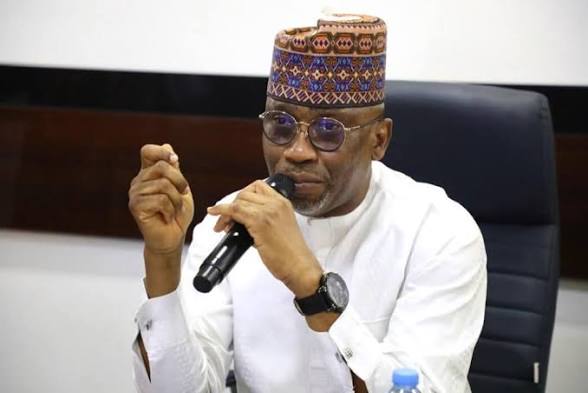
The Federal Government has fixed December 2028 as the deadline for Nigeria’s complete transition from analogue to digital television broadcasting, as part of efforts to expand access to free television services across the country.
Director-General of the National Broadcasting Commission (NBC), Charles Ebuebu, disclosed this in separate interviews with the News Agency of Nigeria (NAN) in Abuja. He said the renewed Digital Switch Over (DSO) project is designed to reach at least 40 million television households with up to 100 free-to-air channels nationwide.
Ebuebu explained that the new strategy replaces the previous terrestrial transmission model, which recorded limited coverage after being introduced in only eight states. According to him, the renewed initiative aims to ensure that no fewer than 40 million homes have access to digital television services.
He said the government opted for a satellite-based platform after it became clear that terrestrial broadcasting had covered less than a quarter of the country and would require about 160 transmission towers, imported equipment and several years to achieve nationwide coverage.
According to the NBC boss, the satellite platform provides complete nationwide coverage from the outset and currently carries more than 73 television channels, with plans to expand to 100 channels in the coming months. This will enable viewers to access television stations from different parts of the country regardless of their location.
Ebuebu said the commission would implement the analogue switch-off in phases, noting that future stages would cover pay television services, studio development and designated production centres for content creators. He added that the December 2028 deadline would allow sufficient time for all necessary infrastructure and systems to be put in place.
He also revealed that audience measurement is progressing, with a proof of concept already completed in about 7,000 homes in Lagos, while implementation has commenced in Abuja.
The NBC Director-General further stated that the digital transition would free up valuable spectrum for sectors such as telecommunications, financial technology and application services, adding that the spectrum would be professionally valued before allocation.
On the fate of obsolete analogue broadcasting equipment, Ebuebu said the commission is developing a policy based on expert recommendations and international best practices, while also considering environmentally responsible methods for disposing of unusable assets.